What is Miden Guardian?
Blockchain has a privacy problem and a coordination problem. Most networks force a choice: either your transactions are publicly visible to anyone with a block explorer, or your assets disappear into a centralized custodian's opaque system.
Miden, a privacy-focused blockchain, was built to reject that tradeoff. Its zero-knowledge architecture keeps “account state” local, publishing only cryptographic commitments to the chain. The result is genuine financial privacy at the protocol level.
Enacting privacy onchain is not just a technical challenge; it is also operational. When no one can see the ledger, the coordination tools that blockchains and traditional finance rely on stop working. Transparency is a default feature of most networks and has had downstream impacts on how blockchains are managed. For instance, multisig approvals assume shared state visibility. Fraud monitoring assumes readable balances. Compliance workflows assume an auditable trail. If you remove the transparent public ledger (as many privacy projects do) then you need a fundamentally different way to coordinate, recover, and enforce policy. That's where Miden Guardian, our institutional backend, comes in.
A New Point on the Custody Spectrum
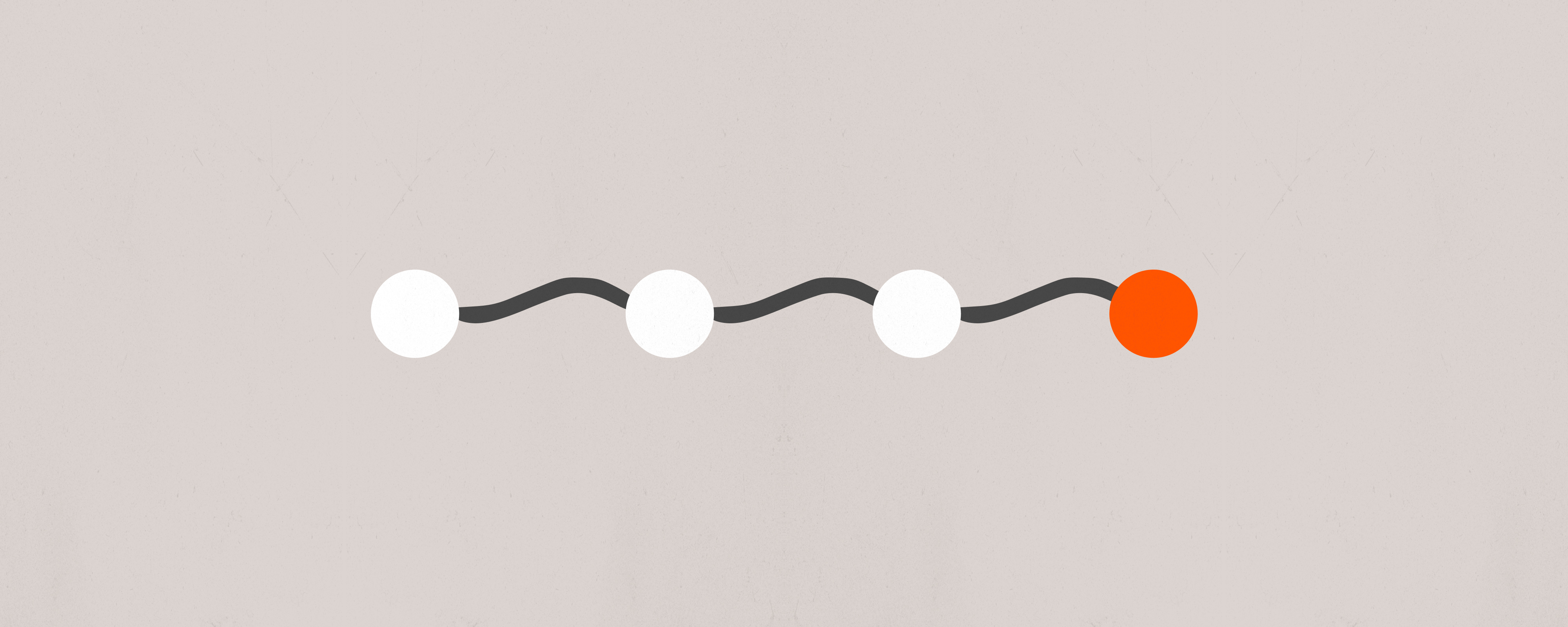
Until now, custody models have existed on a binary spectrum. At one end, full custody: the institution holds your keys, bears the regulatory burden, and pools assets into honeypots that attract catastrophic hacks. Take, for example, the 2022 Ronin Network breach, which cost $625 million.
At the other, pure self-custody: full user control, no institutional backing, and no safety net if you lose your seed phrase.
Guardian introduces a third position: users retain their private key and control their account, and Guardian – as operated by an institutional provider – backs up account state and enforces compliance rules before co-signing transactions. The provider holds no keys and bears no custody liability. This ensures institutional-grade trust without taking on the risks that come with traditional custody.
Two Things to Manage on Miden
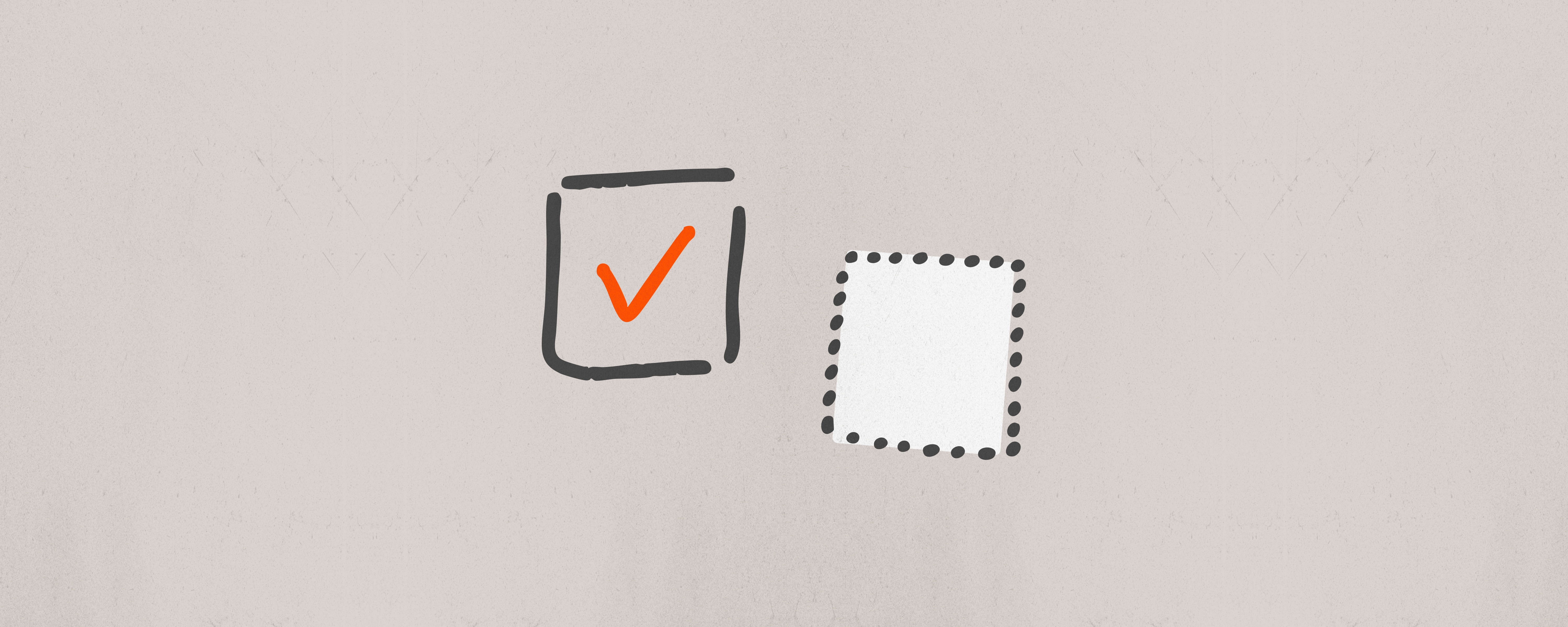
On any traditional blockchain, users manage one thing: a private key (or seed phrase). Key management and recovery are solved problems: mature infrastructure handles this layer already.
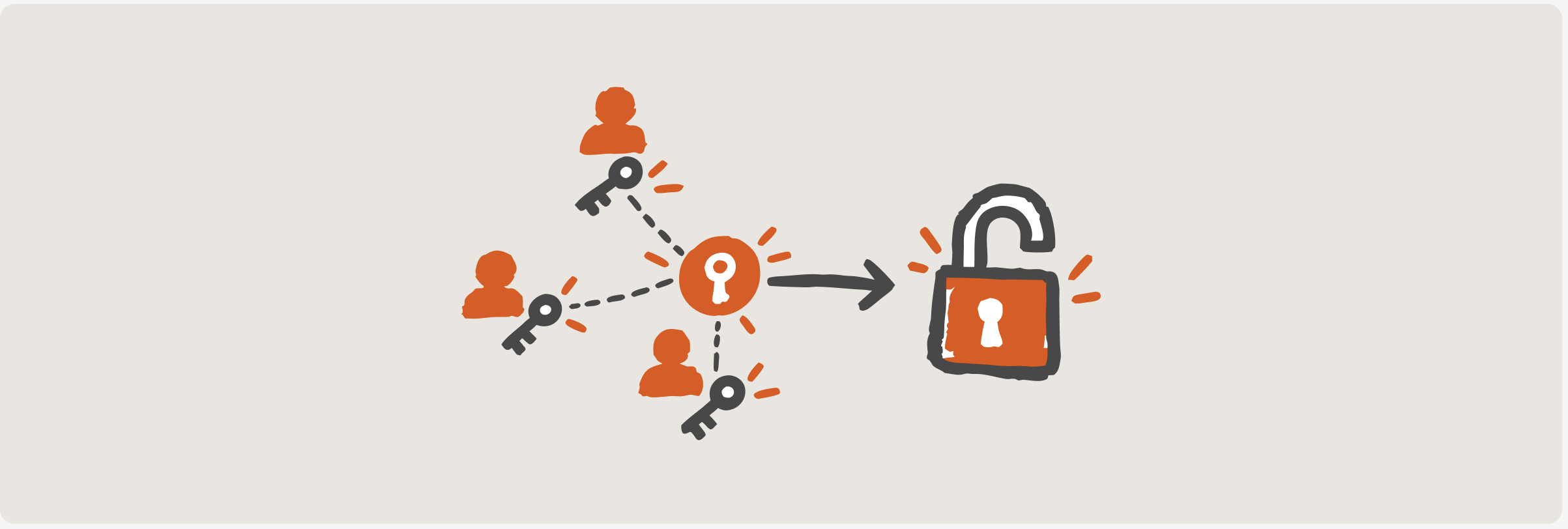
Miden introduces a second layer. Because Miden allows “account state” to be stored offchain (enabling privacy), users also need a trusted party to synchronize, back up, and recover that private state. This is where Guardian comes in. Guardian operators host a snapshot of your account state before each transaction, ensuring it's always recoverable, and without ever holding your keys.
Think of it as the difference between a bank securing your safe deposit box key versus securing the contents of the box itself. Guardian addresses the contents-layer that existing custody infrastructure doesn't touch.

How It Works: Three Phases
Guardian's capabilities evolve in three phases, each building on the last.
In Phase I, Guardian functions as a backup and synchronization layer. When a transaction executes locally, the user sends a delta – a compact description of what changed – to Guardian for acknowledgment. Guardian co-signs the update, marking it as a "candidate" state. Once confirmed onchain, it propagates the canonical update back to the user’s device. Lose your phone? Guardian got your back. You can recover your latest state in minutes from another device and keep managing your assets as if nothing happened.
This architecture supports non-custodial multisig through a 2-of-3 key structure: the user's hot key for daily use, a cold key for recovery, and Guardian's service key for policy enforcement and co-signing. Guardian can never move funds alone. The user can always recover independently using their cold key, as well as switching Guardian using both their hot and cold keys.
Phase II, set for later this year, will transform Guardian into a policy and compliance engine. Because Guardian sees every delta before co-signing, it can enforce configurable rules: rate limits that cap daily outflows, time delays on high-value transactions, emergency freezes when fraud is suspected.
Critically, compliance is a configuration choice, not a protocol constraint. A provider targeting European regulated markets might enforce MiCA requirements and OFAC screening. A privacy-maximalist provider might skip compliance entirely. The Guardian specification supports all of these postures – what matters is that when a provider enforces policy, it does so at the co-signing layer, without ever taking custody.
For institutions requiring auditability, Guardian maintains an encrypted trail of policy decisions. When a regulator asks whether transaction X was screened, the provider can produce a ZK proof that the check occurred – without exposing the transaction itself. The regulator learns that policy was enforced without learning balances, counterparties, or amounts.
Phase III will scale Guardian to institutional rails: crypto banking without custody. Banks or infrastructure providers run Guardian as a service, offering clients private Miden accounts with institutional-grade features while users retain ultimate ownership.
At this scale, Guardian can batch transactions from multiple users and net intra-provider flows through ephemeral notes – transfers between users of the same provider that settle internally and never need to touch the chain. Same efficiency as traditional clearinghouses; none of the custody overhead.

The Bigger Picture
Miden Guardian is best understood not as a wallet feature but as a coordination primitive – the infrastructure layer that makes privacy-first finance usable in the real world. It resolves the central tension of private blockchains: when surveillance goes away, you can't coordinate through a readable public ledger. Guardian is what replaces that coordination surface.
For users, it means genuine financial privacy with the safety net of institutional recovery and fraud protection. For institutions, it means a new service category that delivers trust without liability. For regulators, it means verifiable compliance without invasive surveillance.
OpenZeppelin, the gold standard in blockchain security, has already built the reference implementation and a multisig demo backed by their Guardian backend is available on Miden Testnet. You can already try it out today from https://multisig.miden.xyz/. And if you’re interested in hearing more about the use cases and business opportunities for Guardian operators, reach out by mail at bd@miden.team – we’d love to chat.
The era of programmable, private finance is arriving. Guardian is the infrastructure that makes it practical.
.jpg)